Equipment We Service

If It Holds Temperature, We Work On It.

The full commercial scope — from a single reach-in on a prep line to a multi-compressor rack running an entire store.

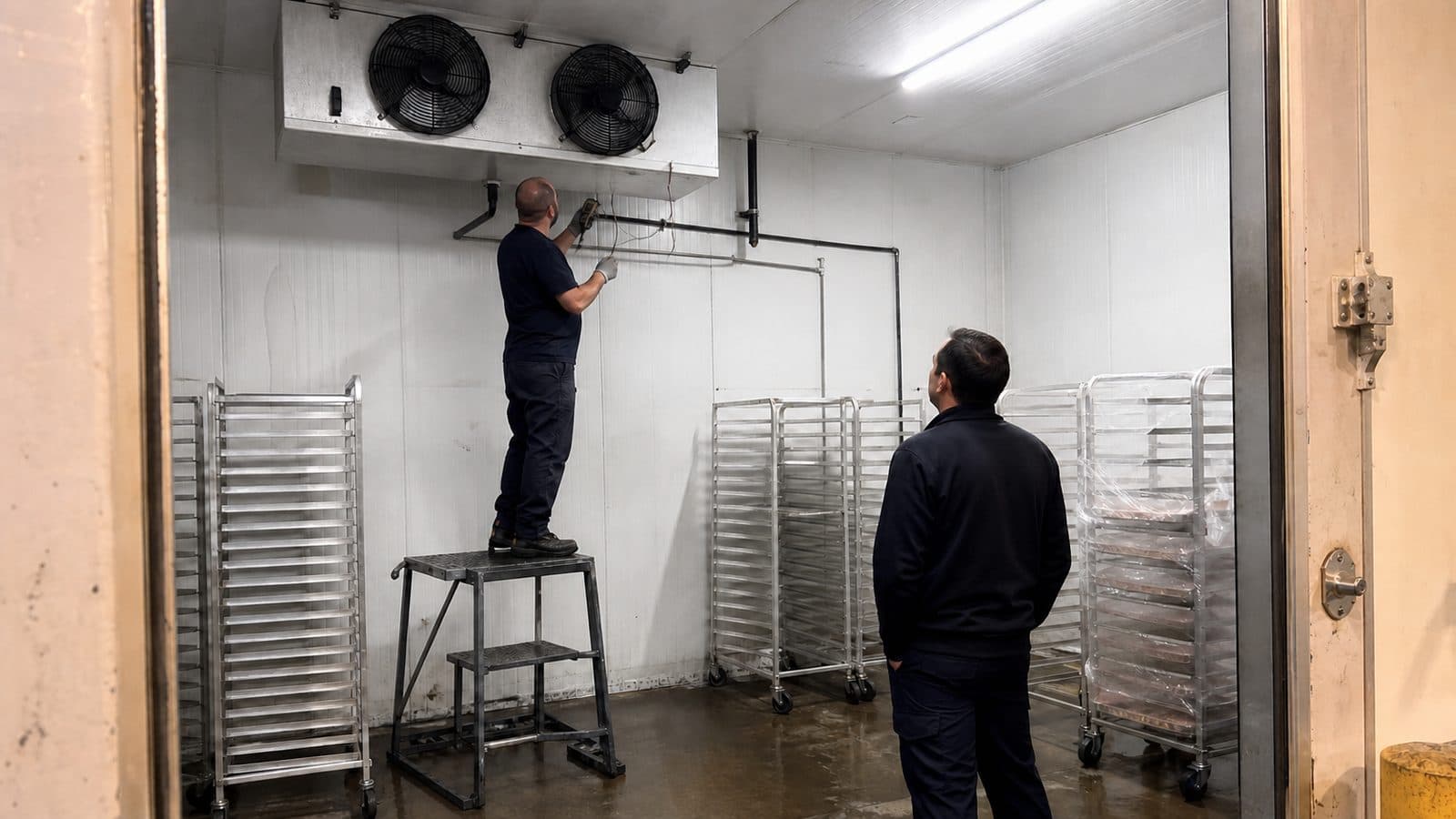
Technician on a step ladder inspecting the evaporator inside a large commissary walk-in cooler

Walk-In Coolers & Freezers

The unit that holds the most product and costs the most when it fails. We work the full assembly — condensing unit, evaporator, refrigerant circuit, defrost, controls and the door itself.

Common faults we're called for
  • Not holding temperature
  • Iced-over evaporator coil
  • Compressor short-cycling
  • Failed defrost timer or heater
  • Door not sealing, frame icing
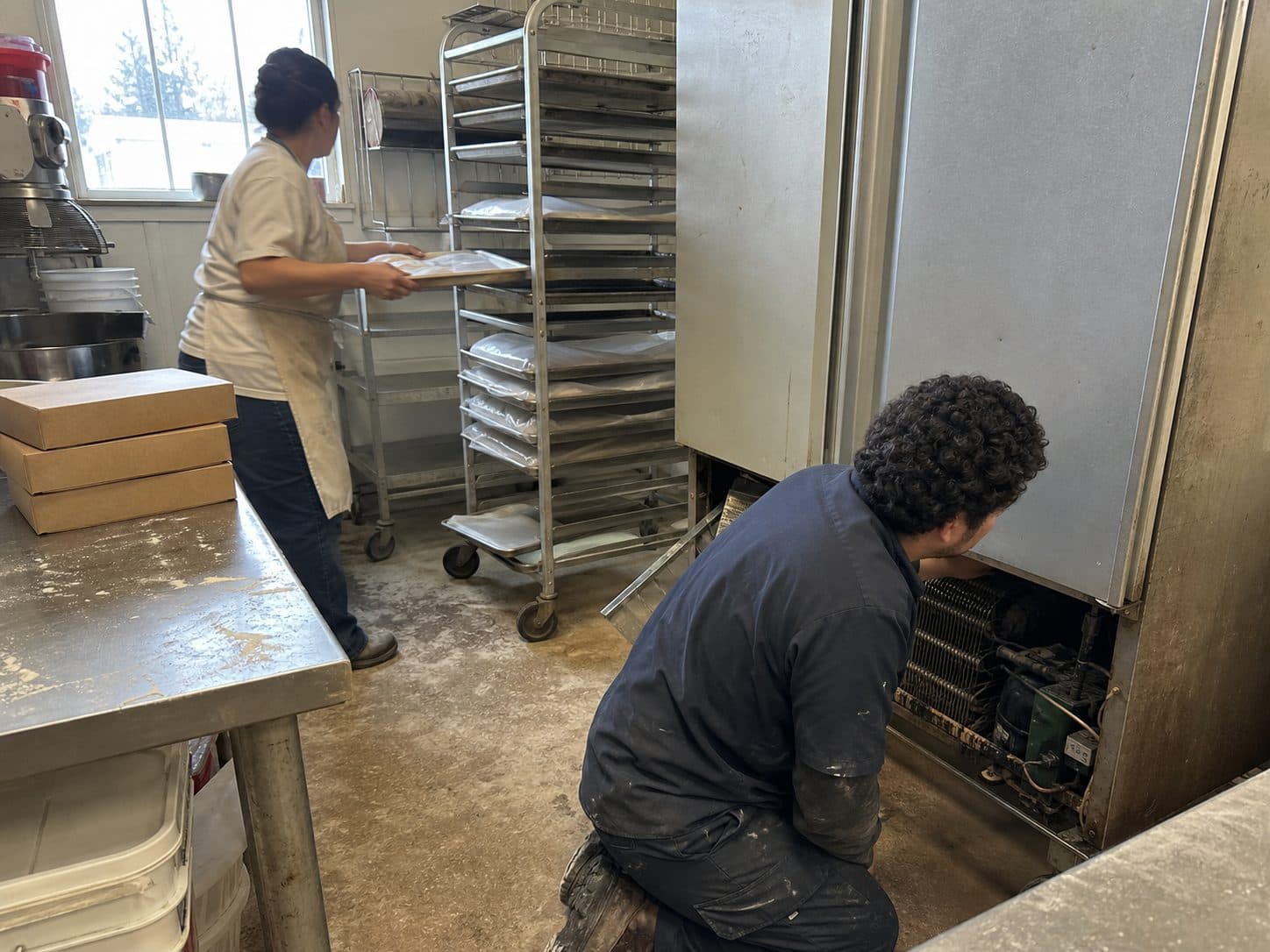
Technician kneeling to repair the compressor of a bakery reach-in refrigerator

Reach-Ins & Prep Tables

Line equipment fails during service, not after it. Self-contained units are usually a same-visit repair once the fault is identified.

Common faults we're called for
  • Warm on one side
  • Condenser fan failure
  • Blocked or dirty condenser
  • Thermostat or sensor drift
  • Water pooling under the unit
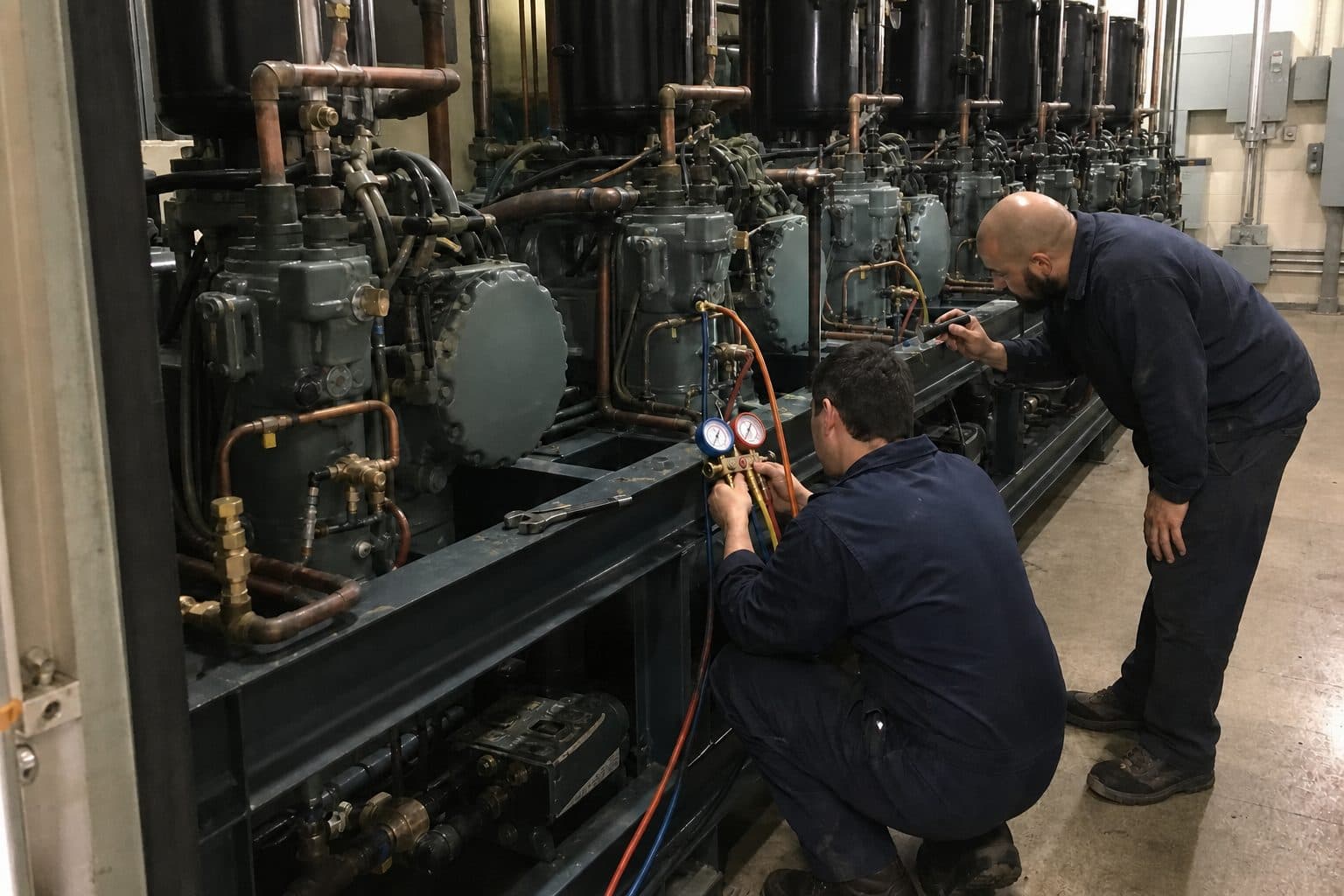
Technicians taking readings on a multi-compressor refrigeration rack in a mechanical room

Multi-Compressor Rack Systems

A single rack fault can take out dairy, produce, deli and frozen at once. Diagnosis starts at the rack, not at the case that happens to be warmest.

Common faults we're called for
  • Multiple cases warming together
  • Compressor cycling on safeties
  • Low suction pressure
  • Oil management faults
  • Controller alarms
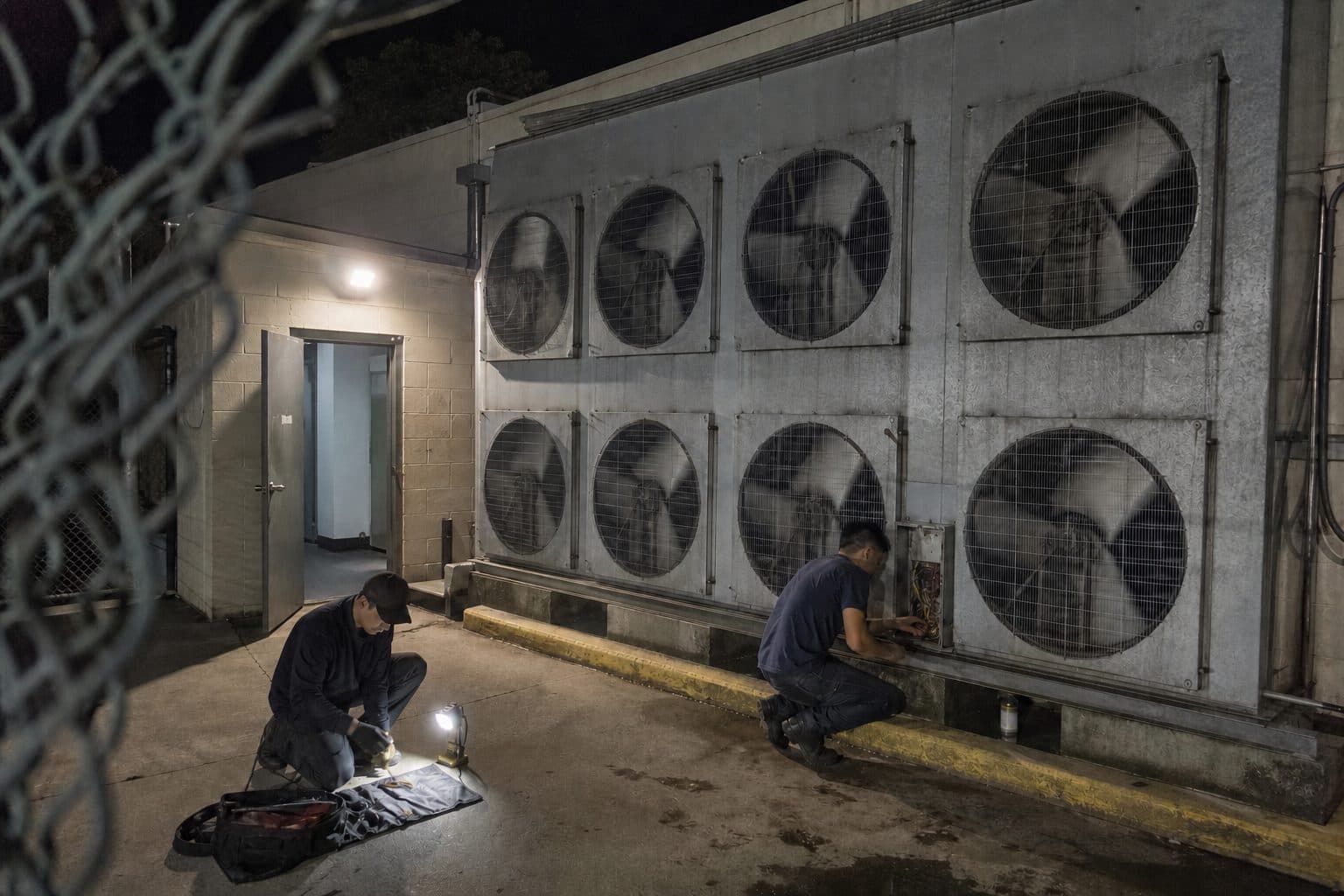
Technicians servicing supermarket rack condensers at night

Refrigerated Display Cases

Retail cases have to hold temperature while staying open and shoppable. Airflow and defrost are usually where the problem starts.

Common faults we're called for
  • Case not pulling down
  • Frost on the product line
  • Night curtain or fan issues
  • Uneven case temperatures
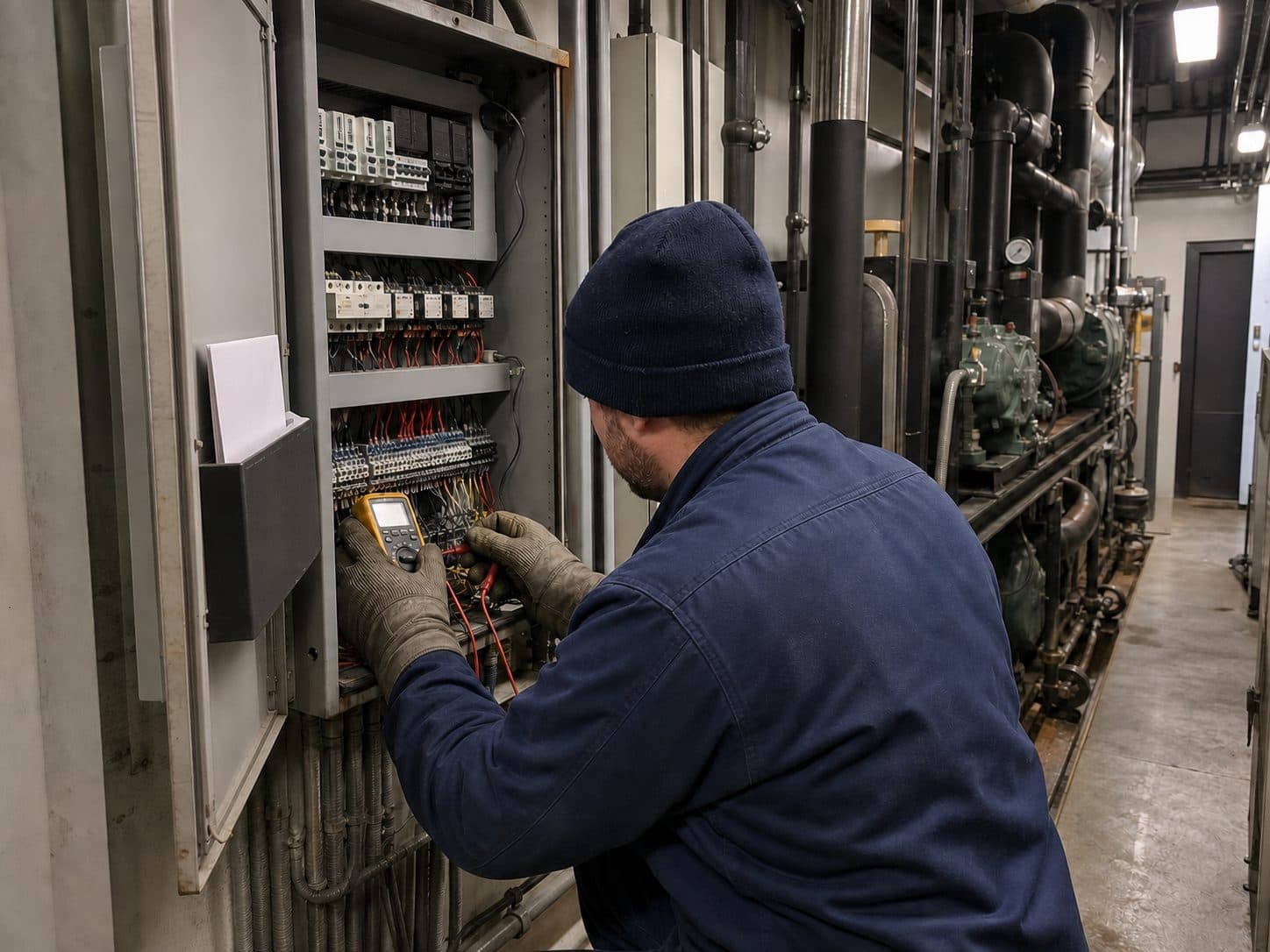
Technician diagnosing a refrigeration control panel with a multimeter

Ice Machines

Usually the first thing a bar or kitchen notices and the last thing anyone budgets for. Water quality is behind a large share of failures.

Common faults we're called for
  • Low or no ice production
  • Hollow or cloudy cubes
  • Machine freezing up
  • Scale and water-quality faults
  • Drain and pump problems
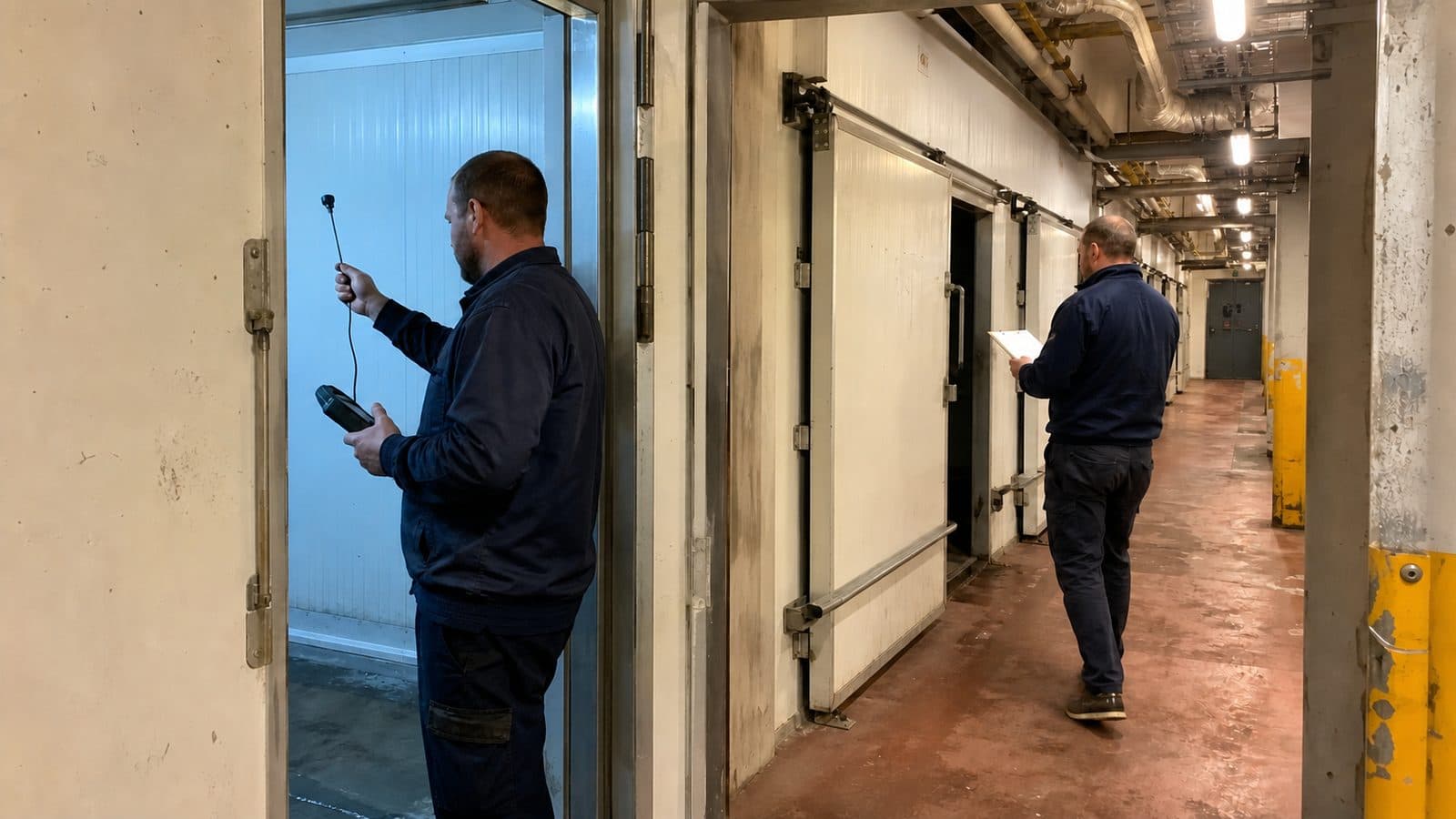
Technician recording temperatures on a handheld device outside a multi-room cold storage facility

Cold Rooms & Pharmaceutical Units

Where a temperature excursion is a documentation event, not just a spoilage risk. We work these with logging in place from the start.

Common faults we're called for
  • Drifting out of range
  • Alarm and monitoring faults
  • Backup-power transfer problems
  • Door and seal integrity
Before You Call

Questions We Get About Equipment

Do you repair the unit, or only supply temporary storage?

Both, and that's the point of one call. A 313A-licensed mechanic works the failed unit while a refrigerated trailer holds your product, so the repair isn't racing the clock on your inventory.

Do you work on any brand?

Tell dispatch the make, model and approximate age when you call. That determines which parts travel with the technician and whether a part has to be sourced, which is the honest difference between a same-visit fix and a return trip.

What if the unit is beyond economical repair?

We'll say so and explain why, rather than quoting a repair that won't hold. Mobile storage can keep you running while you arrange a replacement.

Can you handle several units at one site in the same visit?

Yes — list everything that's affected when you call so the right capacity and the right parts are dispatched on the first trip.

Request Immediate Rescue

Tell Us The Unit. We'll Bring The Parts.

Give dispatch the make, model and what it's doing. Already critical? Call the line directly: (416) 578-9977.

Step 1 of 2
Takes under a minute.
Call NowRequest Rescue